2023 Jun 20 18:00
Benefits of BIVP

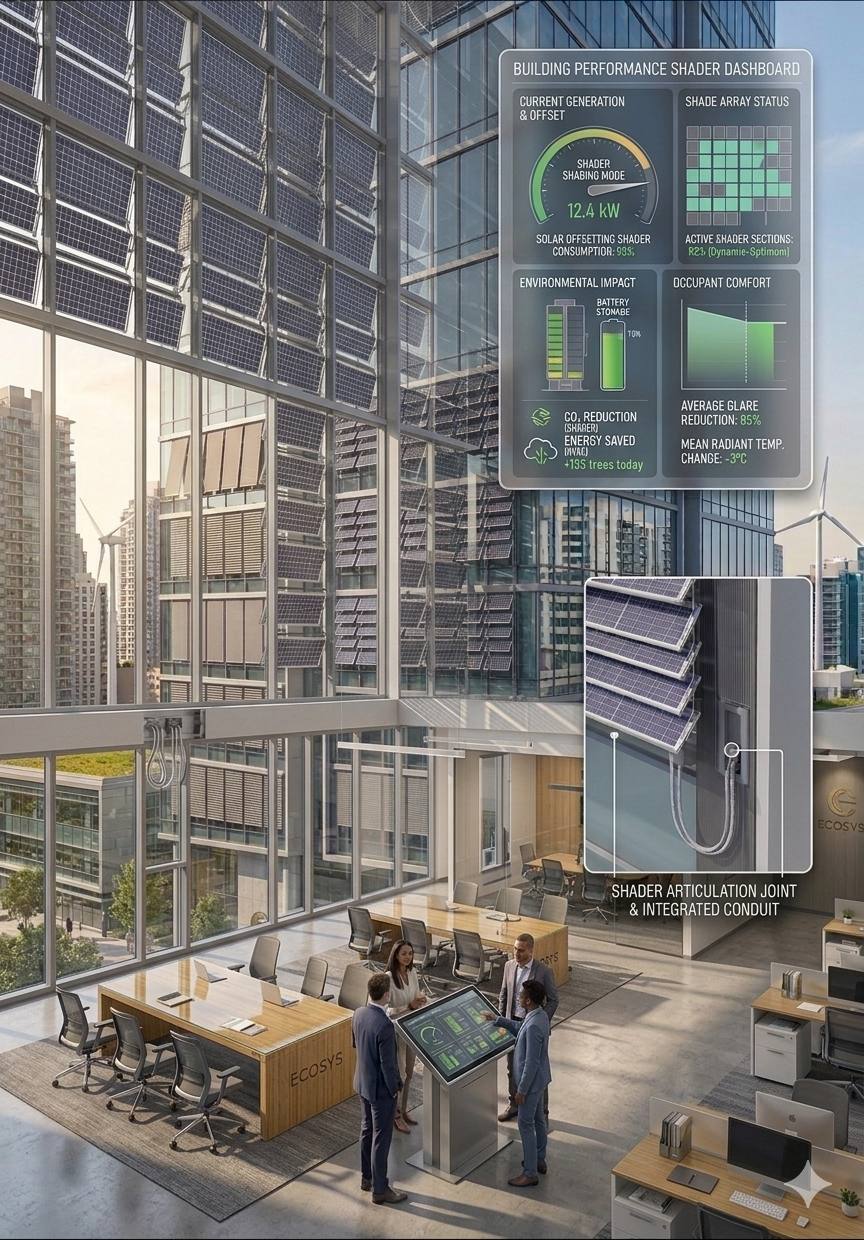
There are several merits of Building-Integrated Photovoltaics (BIPV) systems over traditional solar power systems:
1. Aesthetics: BIPV systems can be integrated into a building's design, creating a seamless and attractive appearance. They can be installed on roofs, walls, and even windows, blending in with the building's architecture and enhancing its aesthetic appeal.
2. Energy Efficiency: BIPV systems can help reduce a building's energy consumption by generating electricity on-site, which can be used to power the building's electrical loads or fed back into the grid. By generating clean energy on-site, BIPV systems can help reduce the building's carbon footprint and dependence on fossil fuels. https://doi.org/10.1016/j.enconman.2022.116408
3. Durability: BIPV systems are designed to withstand harsh weather conditions and temperature fluctuations. They are built to last for decades, providing a reliable and long-term source of clean energy.
4. Noise Reduction: BIPV systems can also help reduce noise pollution by acting as a sound barrier. They can be installed on busy roads or near airports to help reduce noise levels and improve the quality of life for nearby residents.
5. Increased Property Value: BIPV systems can increase the value of a property by providing a source of clean energy and reducing energy costs. They can also enhance the building's aesthetic appeal, which can make it more attractive to potential buyers or tenants.
6. Versatility: BIPV systems can be used in a wide range of building types and materials, including residential, commercial, and industrial buildings. They can be installed on new buildings or retrofitted onto existing buildings, making them a versatile and flexible option for clean energy generation.
7. Grid Resilience: BIPV systems can help reduce the strain on the electrical grid by generating electricity on-site, especially during peak demand periods. This can help reduce the need for expensive upgrades to the grid infrastructure and enhance the overall resilience of the electrical system.
8. Job Creation: BIPV systems can also help create jobs and stimulate economic growth in the clean energy sector. As the demand for clean energy continues to grow, the BIPV industry is expected to expand, creating new job opportunities and driving innovation in the renewable energy sector.
Overall, BIPV systems offer numerous benefits, including energy efficiency, aesthetics, durability, noise reduction, increased property value, versatility, grid resilience, and job creation. These benefits make BIPV systems an attractive option for those looking to generate clean energy and reduce their carbon footprint.
Lumel’s glass will be seamless, has high transparency, has increased efficiency in collecting solar
energy harvesting, is fully customizable for all PV needs, and is aesthetically pleasing. Lumel PV glass
uses amorphous silicon glass made of non-crystalline silicon, and this is used for PV glazing. The
amorphous silicon glass helps generate clean green energy by converting daylight to electricity. This
solar glass type can be the perfect replacement for conventional BIPV glass placed in building
windows because it offers the same functions. The Amorphous Silicon Photovoltaic glass used has a
combination of functionality, efficacy, and aesthetics. The physical features such as the glasses'
shape, size, thickness, and semi-transparency degrees can be modified to meet the customer's
requirements. Amorphous silicon glass is used indoors and outdoors. The energy generated is stored
in the building's Thermal energy storage or batteries (electrochemical storage) connected to the
Lumel app using Wi-Fi for data collection and monitoring.
The global effects of BIPV systems can be significant. By generating electricity from sunlight, BIPV systems can help reduce our reliance on fossil fuels and decrease greenhouse gas emissions that contribute to climate change. BIPV systems can also help reduce the overall energy consumption of buildings, which account for a large portion of global energy consumption.
In addition to the environmental benefits, BIPV systems can also have economic benefits. They can help reduce energy costs for building owners and occupants, and can potentially increase property values. The installation and maintenance of BIPV systems can also create jobs in the renewable energy sector.
Furthermore, BIPV systems can help increase the resilience of the electrical grid. By generating electricity on-site, BIPV systems can help reduce the strain on the grid during times of high demand and can potentially reduce the need for new power plants and transmission lines.
Overall, the widespread adoption of BIPV systems can have positive impacts on the environment, the economy, and the energy sector. However, it is important to note that the effectiveness of BIPV systems will depend on various factors, including the location, climate, and building design.
ChatGPTBot | Midjourney, [Jun 15, 2023 at 01:33]
In addition to the benefits I mentioned earlier, BIPV systems can also have social benefits. BIPV systems can help increase energy access in areas with limited access to electricity, particularly in developing countries. This can have a positive impact on education, healthcare, and economic development.
However, it is important to note that the implementation of BIPV systems may also have some challenges that need to be addressed. For example, the higher initial cost of BIPV systems compared to traditional building materials and the lack of incentives for their implementation may limit their adoption. Additionally, the maintenance of BIPV systems can be more complex than traditional building materials, and the integration of BIPV systems into building design may require specialized knowledge and expertise.
Despite these challenges, the benefits of BIPV systems are significant and can contribute to a more sustainable and resilient future. As technology advances and costs decrease, BIPV systems are likely to become more accessible and widely adopted.