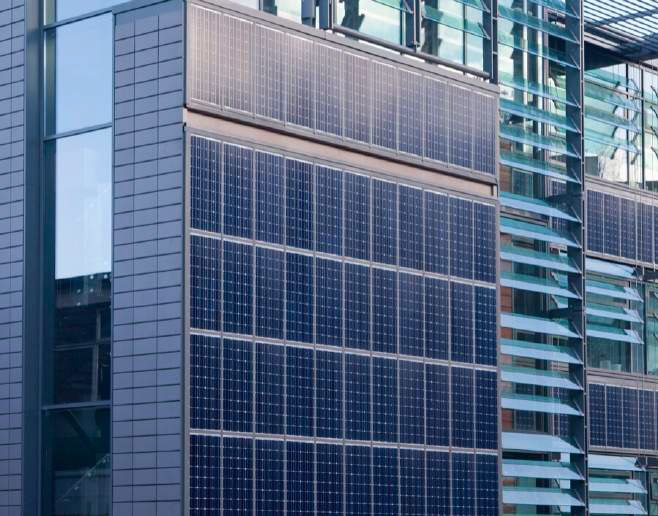
lack of incentive for BIPV
What is the lack of incentive for BIPV ?!
One of the main challenges facing the widespread adoption of BIPV systems is the lack of incentives for their implementation. Unlike other renewable energy technologies, such as wind or solar farms, BIPV systems are typically installed on individual buildings, which can make them more expensive to install and maintain on a per-unit basis.
In addition, there are often few financial incentives or subsidies available to support the installation of BIPV systems. For example, while some countries or regions may offer tax credits or other incentives for the installation of solar panels on homes or businesses, these incentives may not be available for BIPV systems.
Furthermore, the cost of BIPV systems can be higher than traditional building materials, such as concrete or brick. This can make it difficult for building owners to justify the investment in BIPV systems, particularly if they are not receiving financial incentives or subsidies.
Another challenge is the lack of standardization in BIPV systems. Unlike traditional building materials, which are well-established and widely used, BIPV systems are still a relatively new technology. This can make it difficult to compare different systems or to ensure that they meet established standards for safety and performance.
Overall, the lack of incentives and the higher cost of BIPV systems can make it difficult for building owners to justify their investment in these systems. However, as the technology improves and becomes more widely adopted, it is possible that financial incentives and other support mechanisms may become more widely available, making BIPV systems a more attractive option for building owners looking to generate renewable energy and reduce their environmental footprint.
Lumel not only produces on-site clean electricity without requiring additional land area but can also impact the energy consumption of a building through daylight utilization and reduction of cooling loads. Lumel products can therefore contribute to achieving net-zero energy buildings.
Turning roofs and facades into energy-generating assets, this is the brand-new building material that has a return on investment (ROI). Furthermore, the diverse use of Lumel systems opens many opportunities for architects and building designers to enhance the visual appearance of buildings. Finally, yet importantly, building owners benefit from reduced electricity bills and the positive image of being recognized as “green” and “innovative”.